Shopping Strategy · 4 min read
Marketplace Seller vs. Retailer-Direct: What Changes?
Two prices on the same retail site may not be equivalent. Check seller, condition, returns, warranty and fulfillment before comparing deals.
Updated Aug 26, 2026
Research date Aug 26, 2026
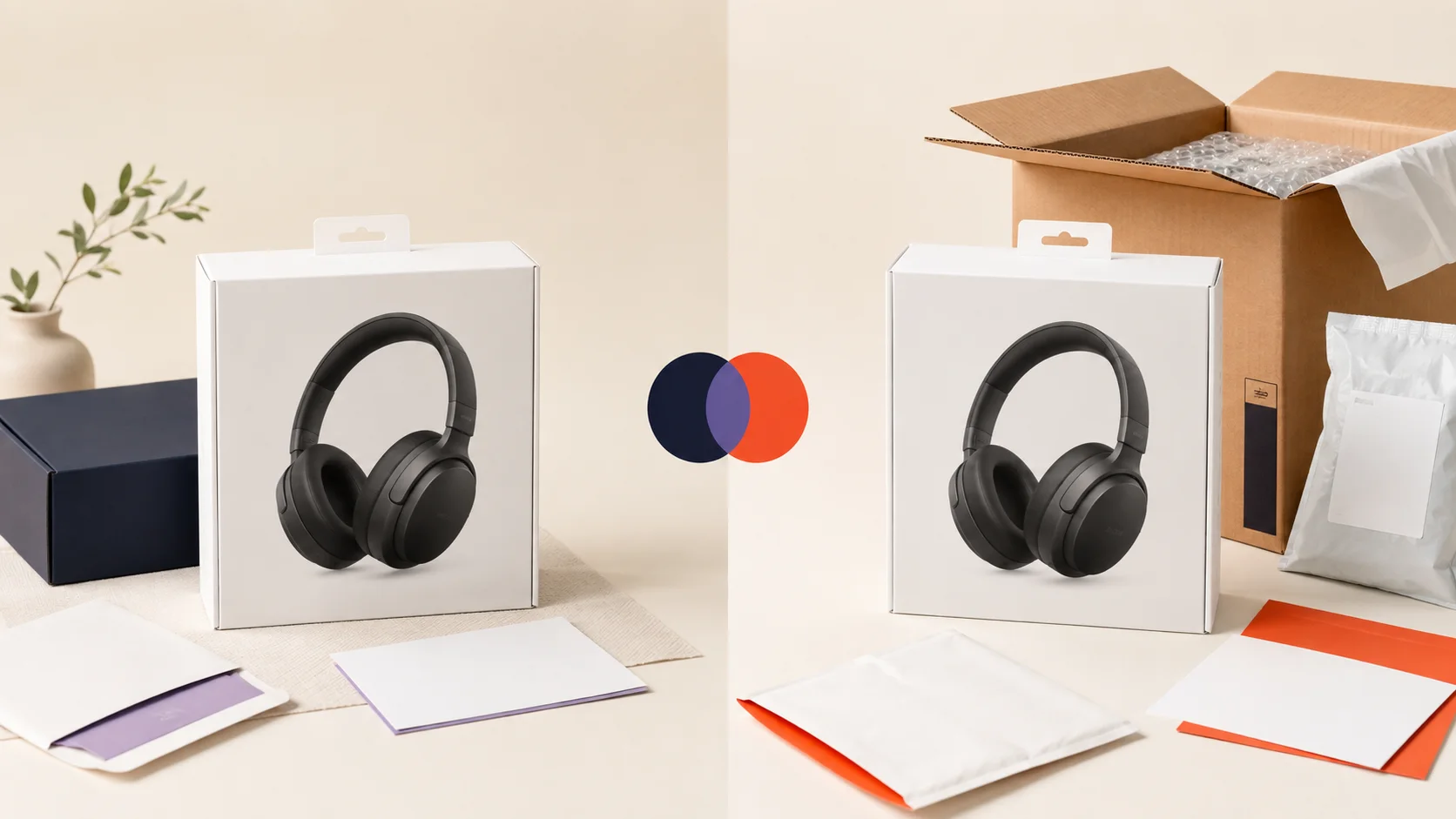
Two identical-looking products on the same retailer website may not be equivalent deals if one is sold by the retailer and the other by a third-party Marketplace seller.
The key point is simple: seller identity is part of the deal. Price matters, but so do who ships the item, who handles problems, what return rules apply, what warranty options are available and whether the condition is truly comparable.
Marketplace sellers are not inherently bad. They simply add another variable to check before treating two prices as interchangeable.
First, Check Who Is Actually Selling the Product
Retailer websites usually show seller information near the price or purchase button.
Best Buy says product pages identify listings as either “Sold by Best Buy” or “Sold & shipped by” followed by the Marketplace seller’s name. Walmart similarly tells shoppers to look for “Sold by” or “Sold and shipped by.”
A product appearing on BestBuy.com or Walmart.com does not automatically mean Best Buy or Walmart is the seller.
What Can Change With a Marketplace Seller?
Shipping and customer service
Fulfillment and seller identity are separate.
Walmart says that when it fulfills a Marketplace item, it may pick, pack and ship inventory stored at Walmart fulfillment centers, while the third party remains the seller. Best Buy says Marketplace sellers manage their own shipping and product support.
So fast shipping through a major retail site does not necessarily mean the retailer sold the item.
Returns
Return rules may look similar but still differ.
Best Buy says most Marketplace products follow its standard return policy unless otherwise noted, but Marketplace purchases are excluded from the 60-day extended-return benefit for My Best Buy Plus and Total members. For some issues, shoppers are directed to the seller through their account.
Walmart says Marketplace sellers must meet minimum return standards, but Marketplace return policies can differ from Walmart’s own. Some items also have special restrictions.
The practical rule: read the return terms for that listing rather than assuming the retailer-direct policy applies unchanged.
Warranty and protection
Best Buy says Marketplace items may carry a manufacturer warranty, with the period depending on the manufacturer, but Marketplace products are not eligible for Geek Squad Protection, Best Buy Protection, AppleCare+ or SamsungCare+ through Best Buy.
Walmart directs shoppers to the Marketplace seller for information about applicable warranties.
That can matter more than a small price difference on expensive electronics.
Condition Must Match Before Price Matches
A retailer-direct listing may be new, open-box, refurbished or clearance. A Marketplace listing may use its own permitted condition category.
Walmart requires Marketplace sellers to disclose condition for applicable non-new products, including categories such as pre-owned, open box and remanufactured.
A $499 Marketplace laptop is not automatically a better deal than a $549 retailer-direct laptop if the first is refurbished and the second is new.
Before calling one price cheaper, verify the same:
- model and configuration;
- condition;
- included accessories;
- seller type.
When a Marketplace Deal Can Still Win
A third-party listing can absolutely be the better buy when the seller is clearly identified, condition matches, shipping works for you, warranty and return coverage are acceptable, and the price difference is meaningful.
Do not pay a retailer-direct premium automatically either.
For a $10 difference, easier retailer-direct support may be worth more than the saving. For a much larger difference with equivalent condition and clear seller terms, the Marketplace offer may be more attractive.
The goal is not “always buy direct.” It is to know what the cheaper price changes.
RecentProfit Take
Before treating two online prices as directly comparable, check:
same product + same configuration + same condition + same seller type + same return/warranty context
Then compare the price.
Look for “Sold by,” “Sold and shipped by,” or equivalent seller information before checkout.
If the seller changes, recheck shipping, returns, warranty and protection-plan eligibility. If those terms are still acceptable and the price is better, a Marketplace seller can be a legitimate deal.
Seller identity is not a warning label. It is a material part of the offer.
FAQ
Is a Marketplace seller the same as the retailer?
No. A Marketplace seller is an independent third party selling through the retailer’s website or app. The retailer may still process payment, provide fulfillment or help with disputes depending on the platform.
Are Marketplace products harder to return?
Not always. Some platforms impose minimum return standards or accept eligible Marketplace returns in stores. Exclusions and member benefits can still differ, so check the exact listing.
Should I avoid Marketplace sellers for electronics?
Not automatically. Compare seller identity, condition, warranty, protection-plan eligibility and returns. A well-defined third-party offer can be good value; it simply should not be treated as identical to retailer-direct inventory without checking.